Knowing how to label a package correctly is essential for getting your parcels where they need to go. Whether you’re sending an individual order or managing hundreds of deliveries, you’ll need an accurate shipping address, a readable label and secure placement so your chosen courier can process your parcel.
From handwritten addresses to printed barcodes, this guide covers everything you need to know about labelling packages for shipping. We’ll also explore the different shipping labels available to help make packing and dispatching orders easier.
How to Label a Package: Step-by-Step
Labelling a package is straightforward once you know what information you need and where to put it. Follow these steps to get your parcel ready for dispatch.
-
Check the delivery address: Confirm the recipient’s full name, street address, town or city and postcode. Include any flat numbers, building names or business details needed for delivery.
-
Add your return details: Include a sender or return address where required by your chosen delivery service. This gives the carrier somewhere to return the parcel if it cannot be delivered.
-
Choose your shipping service: Book the appropriate delivery service based on your parcel’s size, weight, destination and delivery requirements.
-
Prepare your shipping label: Create and print the carrier-issued label, or write the address clearly if your chosen service accepts handwritten labels. Check that any tracking numbers, shipping barcodes and service details are correct and readable.
-
Attach the label securely: Place the label flat on a suitable surface, away from edges, folds and packaging seams. Make sure the entire barcode is visible and can be scanned.
-
Check before dispatch: Remove or completely cover any old addresses and barcodes if you’re reusing packaging. Give your parcel one final check before handing it over to the courier.
Some services also offer digital labels or QR codes that can be used to print labels at participating drop-off locations. Always follow the instructions provided when booking your delivery.
What Information Goes on a Shipping Label?
A shipping label tells the courier where your parcel needs to go and, depending on the service, how it should be processed. Most labels include the recipient’s name, full delivery address and postcode, with sender or return information added where required.
However, there’s a difference between a handwritten address label and a carrier-generated shipping label.
-
Handwritten address labels: Display the delivery address and any required return details. These are suitable only for services that accept manually addressed parcels.
-
Carrier-generated shipping labels: Usually include the delivery address alongside a shipping barcode, tracking number and service information used to process the parcel.
For international deliveries, you may also need customs declarations, descriptions of the contents and other supporting paperwork. These requirements are separate from the basic shipping addresses and depend on the destination, contents and delivery service.
Where Should You Place a Label on a Parcel?
Parcel label placement matters because couriers need to read and scan shipping information throughout the delivery process. Poorly positioned labels can become damaged, difficult to scan or separated from the parcel.
For cardboard boxes, choose a large, flat surface, preferably the top of the box. Keep the entire label away from corners, edges, seams and areas where the packaging opens.
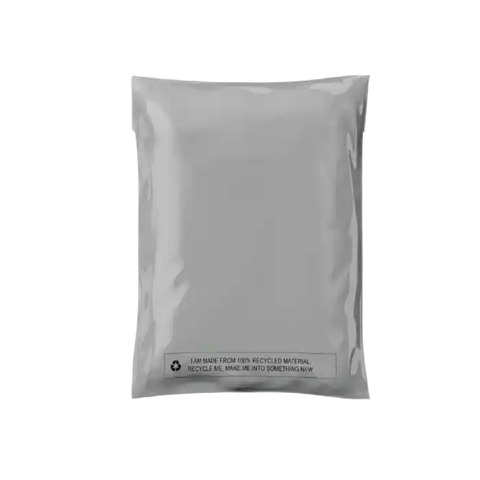
For padded envelopes and mailing bags, place the label on a smooth section of the packaging. Avoid folds, creases and loose areas that could cause the barcode to bend or become difficult to read.
If you’re reusing a box or mailing bag, remove or fully obscure any previous shipping labels, addresses and barcodes. You don’t want your parcel accidentally heading back to its last destination!
Do Different Couriers Have Different Labelling Rules?
Different UK couriers have their own shipping label requirements, including how labels are created, printed and attached. The exact process can also change depending on the delivery service and where you’re dropping off your parcel.
Here’s a general comparison of four popular UK delivery providers:
| Courier |
Shipping label considerations |
| Royal Mail |
Some services accept handwritten addresses, while others require a generated shipping label. Label printing options may be available through eligible collection or drop-off services. |
| Parcelforce |
Booked services generally use carrier-generated labels with routing and barcode information. Follow the booking instructions for printing and attaching your label. |
| Evri |
Depending on the service and drop-off location, you may be able to print your label yourself or use a digital code at a participating location with printing facilities. |
| DPD |
Shipping labels and digital drop-off options vary by booking service. Follow the instructions supplied with your booking and check whether a printed label is required. |
Label dimensions, print formats and drop-off locations aren’t necessarily the same across every courier or service. For example, a thermal label format accepted for one shipping service may not be suitable for another.
Always check your chosen carrier’s current instructions before printing or attaching a label, particularly if you’re using a new delivery service.
How to Keep Shipping Labels Legible and Secure
While you may have printed and positioned your shipping labels correctly, they still need to stay attached and readable throughout the delivery journey. Even a correctly addressed parcel can experience delays if the barcode becomes damaged or difficult to scan.
Before attaching your label, make sure the packaging surface is clean, dry and free from dust. Press self-adhesive labels firmly into place, smoothing out any wrinkles or air bubbles that could affect readability.
For businesses dispatching regular orders, self-adhesive labels offer a quick way to apply shipping information without additional tape. Document wallets are another option when you need to attach paperwork or provide additional protection for documents.
If you’re securing a paper label with tape, avoid placing shiny or reflective tape directly over the shipping barcode, as glare and wrinkles can interfere with scanning. Follow your carrier’s instructions for securing labels and keeping them readable.
Useful Packaging Products for Labelling Parcels
The right packing labels and supplies can make preparing parcels quicker and more organised, especially when you’re processing multiple customer orders every day.
At SR Mailing, we stock practical labelling products for businesses looking to keep their packing operations running smoothly.
Thermal Shipping Labels
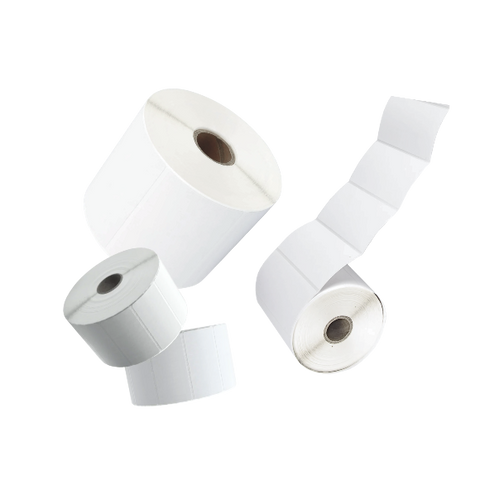
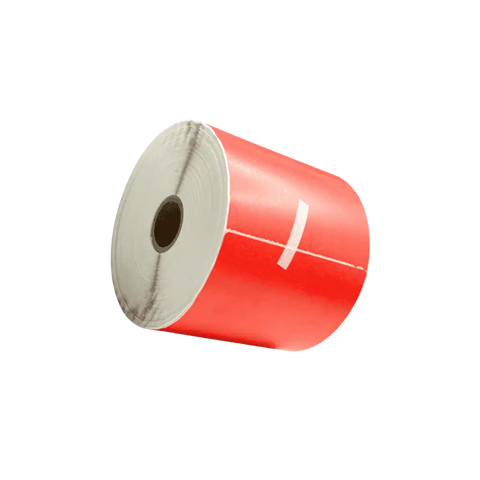
Thermal shipping labels are a popular choice for businesses dispatching parcels regularly. Compatible thermal printers produce labels without traditional ink or toner, making them a convenient option for printing delivery addresses, barcodes and tracking information.
Integrated Labels
Integrated labels combine a removable adhesive label with a paper sheet, allowing businesses to print shipping information alongside documents such as invoices, packing slips or dispatch notes.
They’re particularly useful for online retailers that want to prepare order paperwork and parcel labels together, reducing the need for separate printing processes.
Document Wallets
Document wallets provide a practical way to attach paperwork to the outside of parcels. They can hold delivery notes, invoices and customs documents, keeping important information together during handling and transport.
Choose a suitable wallet for your documents and check whether your carrier requires any paperwork to be attached externally or presented separately.

Quick Parcel Labelling Checklist
-
Delivery address: Check the recipient’s name, full address and postcode are correct.
-
Shipping service: Confirm you’ve selected the right courier service for your parcel.
-
Barcode: Make sure any shipping barcode is clear, undamaged and easy to scan.
-
Label placement: Attach the label securely to a flat surface, away from seams, edges and folds.
-
Old labels: Remove or completely cover any previous shipping labels, addresses and barcodes.
-
Additional documents: Check whether return details, customs forms or other paperwork are required for your shipment.
Getting your parcels ready for dispatch doesn’t need to be complicated. With the right labels and packaging supplies, you can keep shipping information clear, reduce packing mistakes and make every dispatch more efficient.
Browse Shipping Labels
Frequently Asked Questions
Can you write a shipping label by hand?
Yes, you can write a shipping label by hand if your chosen courier and delivery service allow it. Make sure the recipient’s full address and postcode are clearly written, along with any required return details. Some services require printed labels with tracking barcodes instead.
Can you put a shipping label on the bottom of a box?
Yes, but it’s recommended to place a shipping label on the top or another large, flat surface of the box, unless your courier advises otherwise. Avoid the bottom, corners and packaging seams, as these areas can make labels harder to access, read or scan.
Do you need a printer to send a parcel?
Not always. Some UK couriers offer QR codes or label printing at participating drop-off locations, so you can send parcels without owning a printer. Availability depends on the courier, service and location, so check your booking instructions before dispatch.
What happens if a shipping label gets damaged?
A damaged shipping label can cause delivery delays if the address or barcode becomes unreadable. If you notice the damage before dispatch, replace the label using your courier’s instructions. If the parcel is already in transit, contact the carrier with your tracking details.